
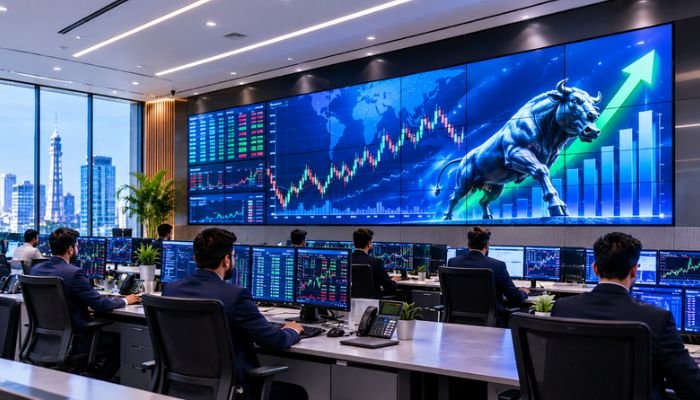
Quick answer: A professional SMD screen for a corporate boardroom or control room should be selected around viewing distance, content density, operating hours, input sources and maintenance access. For close-viewed dashboards and presentations, fine-pitch indoor LED displays usually provide the seamless canvas and brightness control required for daily business use.
Corporate meeting spaces and operational control rooms are becoming more visual. Teams need to display live dashboards, video conferences, security feeds, presentations and multiple data sources on one reliable surface. A properly planned SMD screen can create that large-format workspace without the distracting bezels found between conventional LCD panels.
Why SMD Screens Suit Professional Rooms
An indoor SMD LED wall is assembled from modular cabinets or panels. This allows the display to be designed around the available wall rather than restricted to standard television sizes. The finished screen can present one source across the full canvas or divide the space into several windows through a video processor.
Boardrooms benefit from a clean, premium visual surface for executive presentations and hybrid meetings. Control rooms benefit from continuous visibility, flexible layouts and the ability to keep essential information on screen for long operating periods. In both environments, the specification must support the real workflow rather than being chosen from a product brochure alone.
Start With Viewing Distance and Pixel Pitch
Pixel pitch describes the distance between adjacent LED pixels. A smaller pitch creates higher pixel density and is normally used where viewers sit closer to the screen. Large boardrooms may use a different pitch from a network operations centre where operators view detailed dashboards for many hours.
The nearest important viewer should guide the decision. Text size, spreadsheet detail, camera feeds and interface elements must remain legible from that position. Selecting an unnecessarily fine pitch can increase project cost, while a pitch that is too wide can make text and lines look coarse. A site assessment and sample-content test provide a more dependable decision than a generic distance formula.
Plan the Resolution Around Real Content
Physical screen size and pixel resolution are separate considerations. A large LED wall can still have insufficient resolution for detailed content if its pitch is too wide. Before finalizing the display, list the material that will be shown, including 16:9 presentations, video-conference layouts, monitoring dashboards, CCTV grids and live broadcast feeds.
The final width, height and pitch determine the native pixel canvas. Content templates should be prepared for this canvas so text, logos and graphs remain sharp. Standard aspect ratios simplify common presentations, although customized dimensions can work when the room architecture or operational layout requires them.
Boardroom Requirements
A boardroom display should support effortless daily use. Decision-makers should be able to connect a laptop, launch a meeting or select a source without depending on a technician every time. The design may include wireless presentation, HDMI inputs, video conferencing, a control keypad or touch panel and professional audio.
- Comfortable indoor brightness with adjustable levels
- Fine pixel pitch for close viewing
- Quiet cooling and suitable ventilation
- Natural colour reproduction for presentations and video
- Reliable switching between common meeting sources
- Front service access where rear space is unavailable
For close-range corporate installations, explore indoor SMD screen solutions and confirm the final specification through an on-site assessment.
Control Room Requirements
Control rooms often operate for extended hours and show more data simultaneously. Reliability, thermal management, redundant signal planning and maintenance procedures carry greater weight. The processor should support the required number of inputs and output pixels, while operators need layouts that match their roles.
A security operations centre may display incident queues, maps, cameras and communication channels. A utility or industrial room may show process information, alarms and live trends. Each source should remain readable without constant zooming. Critical systems may also require backup power, redundant signal routes, spare modules and documented recovery procedures.
Refresh Rate and Camera Performance
If the boardroom is regularly recorded or used for broadcast-quality video meetings, refresh rate and scan configuration matter. A screen can look stable to the eye yet show bands or flicker on camera. Test the proposed LED system with the actual room cameras and common frame rates before sign-off. This is especially important for executive briefings, media rooms and hybrid events.
Service Access, Structure and Ventilation
The visible display is only one part of the project. Supporting structure, electrical distribution, grounding, signal cabling and ventilation influence long-term reliability. A wall-mounted boardroom screen with no rear corridor usually needs front-service modules. A control room with a dedicated service space may support rear access.
Maintenance routes should be planned before installation. Technicians need safe access to modules, receiving cards, power supplies and cables. Labelling connections and keeping configuration backups can reduce downtime when a component needs attention.
Content and Control Workflow
Define who can control the wall, which sources are permitted and how standard layouts are recalled. A complicated system can reduce adoption even when the hardware is excellent. Operator training should cover source selection, brightness adjustment, safe startup and shutdown, and basic fault reporting.
For a boardroom, create simple presets such as Presentation, Video Meeting and Full Screen. For a control room, create role-based multi-window layouts and an emergency full-screen mode. These decisions make the display useful from the first working day.
Professional Project Checklist
- Confirm room dimensions and nearest viewing distance
- List every content source and required layout
- Calculate native resolution and controller capacity
- Assess structure, electrical load and ventilation
- Choose front or rear maintenance access
- Test cameras, processors and real customer content
- Document configuration and provide operator training
- Agree warranty, spares and support response
Frequently Asked Questions
Is an SMD screen better than an LCD video wall for a boardroom?
An SMD screen offers a seamless surface and flexible size. The better option depends on viewing distance, resolution requirements, room size, budget and maintenance plan.
Which pixel pitch is best for a control room?
There is no single pitch for every control room. The nearest operator, smallest text, screen dimensions and required resolution should be assessed together.
Can multiple laptops and camera feeds appear at the same time?
Yes. A suitable video processor can arrange multiple approved sources across the LED canvas. Its input count and pixel capacity must match the planned system.
Can the screen operate all day?
Professional LED systems can support long operating schedules when power, cooling, brightness and maintenance are properly planned.
Plan Your Corporate SMD Display
Smart One Technologies plans indoor LED walls for boardrooms, command centres and operational environments across Pakistan. Share the room dimensions, viewing distance and source requirements through the contact page to begin a requirement-based recommendation.
2027 Boardroom and Control Room Planning Priorities
For 2027 projects, specify the SMD screen for corporate boardrooms around three measurable outputs: the smallest readable text, native canvas resolution and expected daily operating hours. Camera-facing rooms should also validate refresh performance before procurement. Review the 1920Hz vs 3840Hz refresh rate guide, use the SMD screen content design guide for dashboards and presentations, and check the colour calibration and uniformity guide for consistent multi-module output.
If the project is still at concept stage, compare available indoor and outdoor SMD screen solutions before requesting a technical site survey.

0 Comments on “SMD Screen for Corporate Boardrooms and Control Rooms in Pakistan | 2027 Planning Guide”