
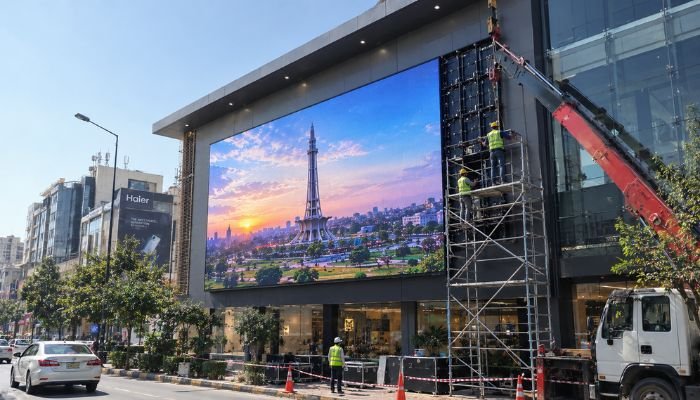
| TL;DR — Quick Answer
Installing an SMD Screen on a building facade in Lahore involves two tracks that have to run together: structural approval and regulatory permits. On the structural side, you need a load assessment of the facade or supporting steel structure (dead load, live load, and wind load for the screen’s size and weight), a certified structural engineer’s sign-off, and a mounting design that accounts for vibration and thermal expansion. On the permit side, most facade-mounted outdoor SMD screens in Lahore require a No Objection Certificate and sign/advertisement permit from the relevant local authority (LDA, TMA, or PHATA depending on the location and property type), along with electrical safety compliance for the power load the screen will draw. Skipping either track — even with a technically sound screen — is the single biggest reason facade installations get delayed, fined, or ordered removed. Smart One Technologies manages both the structural engineering and the permit documentation as part of its facade SMD screen installation process across Lahore. |
Why Facade Installations Aren’t the Same as a Standard Screen Purchase
Buying an SMD Screen is the easy part. Mounting one on the outside of a building — especially a multi-story commercial facade in a dense area like Gulberg, DHA, or Model Town — introduces structural and regulatory questions that a simple indoor video wall never has to answer. A large outdoor SMD screen adds concentrated dead weight to a facade that was never designed with a permanent LED structure in mind, catches wind load across its full surface area, and typically needs a dedicated electrical circuit and a visible cabinet housing that changes the building’s external appearance — which is exactly the kind of change that local development authorities regulate.
This is where most delays and disputes happen. A property owner orders a screen, a vendor mounts it quickly, and weeks later the authority issues a notice because there was no sign permit, or worse, a structural issue surfaces because the facade’s load capacity was never actually checked. A proper facade SMD screen project treats the structural assessment and the permit application as part of the installation itself, not an afterthought handled after the screen is already up.
Part One: The Structural Checklist
1. Facade and Structure Load Assessment
Before any bracket touches the wall, the existing facade material and underlying structure need a load assessment. This covers:
- Dead load — the static weight of the SMD screen, its cabinet, and the mounting frame, distributed across the attachment points
- Live load — additional load from maintenance access, cleaning crews, or equipment temporarily placed near the screen
- Wind load — the lateral force the screen’s surface area will experience, which increases significantly with screen height and matters more in Lahore’s pre-monsoon storm season than most property owners expect
For screens mounted on curtain wall glass facades, cladding panels, or older masonry buildings, this assessment often reveals that the existing wall cannot take the load directly — which is why most large facade SMD screens use an independent steel support structure anchored into the building’s primary structural frame (columns or slab edges) rather than the facade skin itself.
2. Structural Engineer Sign-Off
A licensed structural engineer should review and approve the mounting design before installation, particularly for any SMD Screen larger than a small storefront display. This sign-off typically confirms the supporting steel design, the anchor bolt specification and pull-out capacity into the existing structure, and that the added load doesn’t compromise the building’s overall structural safety margins. For commercial and institutional buildings, this documentation is also usually required as part of the permit application itself, so the structural and regulatory tracks aren’t actually separate processes — the structural report is the evidence the permit office asks for.
3. Mounting Frame and Vibration Control
The steel frame connecting the screen cabinet to the building needs to account for two things beyond static load: thermal expansion of both the frame and the building material across Lahore’s wide seasonal temperature swings, and vibration from wind gusts or nearby traffic on major roads. Rigid mounts without expansion allowance can develop stress cracks at anchor points over a few years, while under-braced frames can develop a visible sway in strong wind that shortens the LED cabinet’s service life through repeated micro-flexing of cable connections.
4. Cabinet Weatherproofing and IP Rating
An outdoor-facing SMD screen mounted on a facade needs an IP65-rated cabinet at minimum, protecting against dust ingress and water jets — a genuine requirement given Lahore’s dusty summers and monsoon rainfall rather than a nice-to-have spec. The cabinet’s die-cast aluminum housing also contributes to the screen’s overall weight calculation used in the structural load assessment, so cabinet selection and structural design need to happen together, not sequentially.
5. Electrical Load and Safety Compliance
A facade SMD screen draws considerably more power than typical building signage, and the electrical design needs a dedicated circuit sized for the screen’s peak load, proper surge and lightning protection given the screen’s elevated, exposed position, and grounding that meets electrical safety code for outdoor installations. Undersized wiring is a common cause of screens that run reliably for a few months and then develop intermittent faults as connectors heat up under sustained load.
Part Two: The Permit Checklist
1. Identify the Correct Regulatory Authority
Which office actually issues the permit depends on the property’s location and classification in Lahore:
- Lahore Development Authority (LDA) typically handles sign and structure approvals for properties within its jurisdiction, particularly larger commercial developments
- Town Municipal Administration (TMA) / Metropolitan Corporation Lahore handles advertisement and signage permits for many commercial properties within city limits
- Punjab Highway Authority and Traffic Police may need to weigh in if the screen faces a major road or highway, since visibility and glare can be a road-safety consideration for passing traffic
- Properties inside a private housing society (DHA, for example) often route approval through the society’s own building control or estate management office rather than a city authority directly
Confirming the correct authority before submitting anything is worth the extra day it takes — a facade SMD screen submitted to the wrong office is the most common reason approvals stall for weeks without any real progress.
2. No Objection Certificate (NOC)
Most facade-mounted outdoor SMD screens require an NOC covering the structural modification to the building’s exterior and, separately, the advertising or signage content the screen will display if it’s used for advertising rather than purely internal branding. Buildings under mortgage, in heritage zones, or within certain society bylaws may have additional NOC requirements from the relevant financial institution or heritage authority.
3. Advertisement / Sign Permit and Content Restrictions
Where the SMD screen displays advertising content, most local authorities apply separate sign permit rules covering maximum brightness at night, permitted operating hours, and content restrictions near residential zones, schools, and religious sites. Some jurisdictions also cap screen size or brightness for facades facing a public road, specifically to manage driver distraction and glare — a factor worth confirming during the design stage rather than after the screen is fabricated to a size that later needs modification.
4. Fire and Building Safety Clearance
Because a facade SMD screen adds electrical infrastructure and a physical structure to a building’s exterior, many jurisdictions require confirmation that the installation doesn’t obstruct fire escape routes, external fire-fighting access, or ventilation openings — particularly relevant for screens installed near or above ground-floor entrances in commercial plazas.
5. Documentation to Keep on File
Once approved, property owners should retain the structural engineer’s report, the NOC and sign permit, the electrical compliance certificate, and the as-built mounting drawings. This documentation matters beyond the initial approval — it’s typically requested again if the screen is upgraded, if the building changes ownership, or if the authority conducts a periodic compliance review of commercial signage in the area.
Step-by-Step: How a Facade SMD Screen Project Should Actually Proceed
- Site survey — assessing the facade material, existing structure, electrical infrastructure, and viewing angles from street level.
- Structural load assessment — calculating dead, live, and wind load for the proposed screen size and mounting method.
- Screen and pixel pitch selection — matching resolution to realistic viewing distance from the road or pedestrian area.
- Mounting and electrical design — engineering the support structure, weatherproofing, and dedicated electrical circuit together.
- Structural engineer sign-off — formal approval of the mounting design and anchor specifications.
- Permit and NOC submission — filing with the correct regulatory authority using the structural documentation as supporting evidence.
- Fabrication and installation — building the steel structure and mounting the SMD screen cabinets once approvals are in hand.
- Testing, calibration, and handover — verifying brightness, color uniformity, and content playback before final sign-off.
Common Mistakes That Delay Facade SMD Screen Projects
- Mounting before permits are approved: A screen installed ahead of NOC approval risks a removal order, which costs far more than waiting a few extra weeks for paperwork.
- Skipping the structural report because “the wall looks solid”: Visual inspection isn’t a substitute for a calculated load assessment, especially on older facades or curtain wall glass systems.
- Undersizing the electrical circuit: A screen that seems to work fine during testing can develop faults months later if the circuit wasn’t sized for sustained peak load.
- Ignoring wind load on tall or wide screens: Larger SMD screens catch significantly more wind than their weight alone suggests, and this is the calculation most frequently under-scoped by non-specialist installers.
- Not confirming brightness and content rules for the specific location: A screen facing a residential street or a school zone may face restrictions that a screen on a commercial highway wouldn’t.
Choosing an SMD Screen for a Lahore Facade
Beyond permits and structure, the screen specification itself needs to match its facade context:
- Pixel pitch should match realistic viewing distance — P5 for facades viewed from 8 to 30 metres such as mall frontages and plaza entrances, P8 or higher for screens viewed from greater distances such as highway-facing installations.
- Brightness needs to handle direct sunlight exposure through most of the day in Lahore’s climate, typically requiring several thousand nits for genuinely legible content in daylight.
- IP rating of IP65 or higher is non-negotiable for any screen exposed to monsoon rain and dust.
- Cabinet material — die-cast aluminum cabinets offer better heat dissipation and structural rigidity than lighter alternatives, which also factors into the facade’s load calculation.
Why Property Owners in Lahore Work With Smart One Technologies
Smart One Technologies has installed outdoor and facade SMD screens across a wide range of Lahore properties, from shopping mall frontages to sporting venues and institutional buildings, and treats the structural and permit process as part of the project rather than something left for the client to sort out separately. Our engineering team conducts the site survey and load assessment, coordinates the structural sign-off, and prepares the documentation property owners need for NOC and sign permit submission — the same structured approach used on projects like our outdoor 3D SMD screen installation at Second Cup Coffee. This coordinated approach is what prevents the mid-project surprises that come from treating engineering, permits, and installation as three unrelated steps.
Explore our full range of indoor and outdoor SMD screens to compare pixel pitch and brightness options suited to different facade types, or browse more of our SMD screen projects in Lahore before planning your installation.
Frequently Asked Questions
Do I need a permit to install an SMD screen on a building facade in Lahore?
Yes, in most cases. Outdoor facade-mounted SMD screens typically require an NOC and sign/advertisement permit from the relevant authority — LDA, TMA, or a housing society’s building control office depending on the property’s location — particularly when the screen displays advertising content.
What structural checks are needed before mounting an SMD screen on a facade?
A load assessment covering dead load (the screen and cabinet weight), live load, and wind load, followed by a structural engineer’s sign-off on the mounting frame, anchor points, and connection to the building’s primary structure.
Can any existing wall support an outdoor SMD screen?
Not always. Many facades, particularly curtain wall glass systems and older masonry buildings, can’t take the concentrated load directly and require an independent steel support structure anchored into the building’s columns or slab edges instead.
What IP rating does an outdoor facade SMD screen need in Lahore’s climate?
IP65 at minimum, to withstand dust during dry summer months and heavy rainfall during the monsoon season without water or dust ingress affecting the panels.
How long does the permit process typically take for a facade SMD screen?
Timelines vary by authority and property type, but submitting to the correct office with a complete structural report and documentation from the outset avoids the weeks-long delays that come from incomplete or misdirected applications.
Who handles both the engineering and permit process for facade SMD screens in Lahore?
Property owners typically work with an established display integrator such as Smart One Technologies, which manages the site survey, structural load assessment, mounting design, and permit documentation as one coordinated project rather than separate vendor tasks.
Final Thoughts
A facade SMD screen is a structural and regulatory project as much as it’s a display purchase. The visible part — the panel brightness, the content, the pixel pitch — matters, but it’s the load assessment, the mounting engineering, and the correct permits that determine whether the installation stays safely and legally in place for years, or turns into a compliance problem within months. Planning both tracks from the start, with proper documentation at every stage, is what separates a facade installation done right from one that needs to be revisited later.
| Planning an SMD Screen Installation on a Building Facade in Lahore?
Get a free site survey, structural load assessment, and permit-ready documentation from Smart One Technologies. Visit sot.com.pk to Request a Site Assessment Today |

0 Comments on “SMD Screen Installation on Building Facades in Lahore: Structural and Permit Checklist”